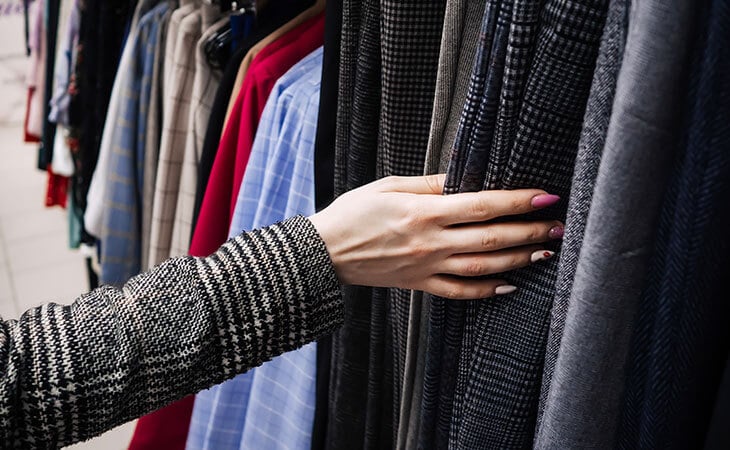
A well-tailored blazer does more than complete an outfit. It defines your silhouette, sharpens proportions, and instantly elevates presence. The difference between an average blazer and the right blazer is structure, fit, and intentional styling.
Understanding the full range of structured styles available also helps — from military blazers for women built around heritage tailoring to statement blazers designed to anchor the entire wardrobe.
Understanding how tailoring interacts with your body type allows you to choose pieces that feel custom, not accidental. Explore our curated selection of structured styles in the blazer collection, designed to enhance natural proportions while remaining versatile enough for professional, social, and transitional settings.
Why Structure Is Everything
Before considering trend or color, focus on structure. A blazer should create definition without overpowering your frame. The elements that matter most are shoulder alignment, waist shaping, sleeve length, lapel width, and overall garment length. Each one affects how the piece reads on the body and how it holds its shape across different settings.
The shoulders are the foundation. If they sit correctly — seam lines aligned with your natural shoulder edge — everything else falls into place. Structured tailoring creates polish. Soft construction creates ease. The right balance depends on both body type and occasion.
The shoulders are the foundation of a blazer’s fit. Seam lines should align with your natural shoulder edge to maintain clean structure and balance.
Blazers for a Petite Frame
Petite silhouettes benefit from streamlined structure and balanced proportions. Cropped or waist-length blazers with slight waist definition and clean lapels work best, keeping bulk away from the shoulders and avoiding anything that adds visual weight where it is not needed. Overly long or oversized cuts can overwhelm a petite frame, so proportion is everything.
Pair structured shorter blazers with high-waisted trousers or tailored skirts to elongate the silhouette and create a clean vertical line from shoulder to hem.
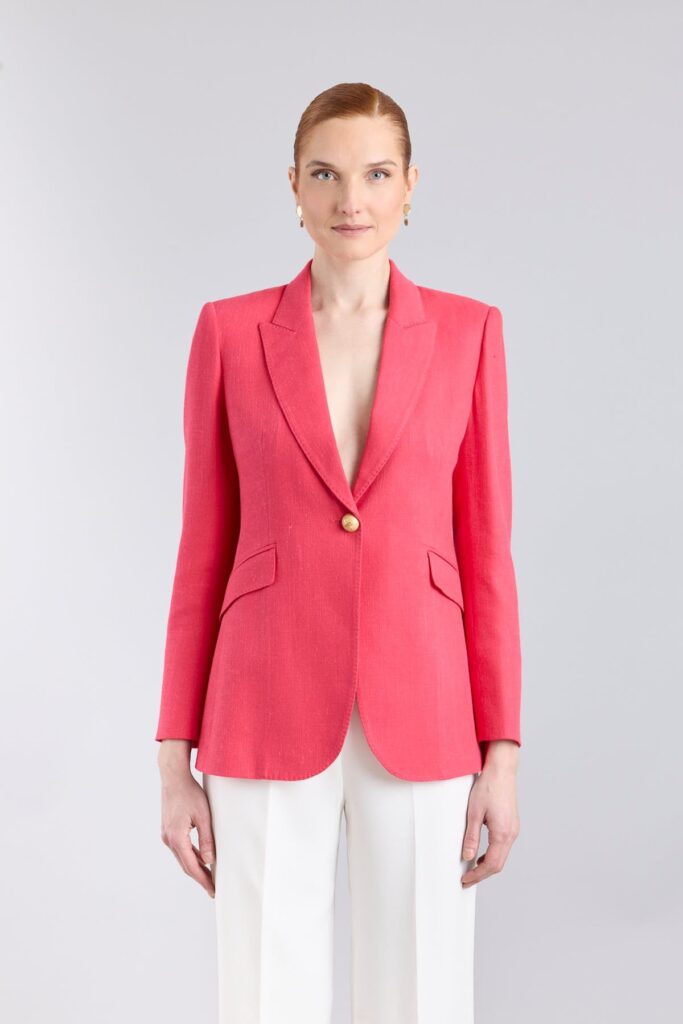
Blazers for a Tall Silhouette
Taller frames can embrace longer lines and more dramatic cuts. Longline blazers, double-breasted styles, and pieces with strong shoulder structure or statement buttons all work beautifully at height, enhancing natural presence without the risk of appearing overwhelmed by the garment.
Layer longline blazers over knitwear or slim trousers for a balanced, elongated look that maintains refinement across professional and casual settings alike.
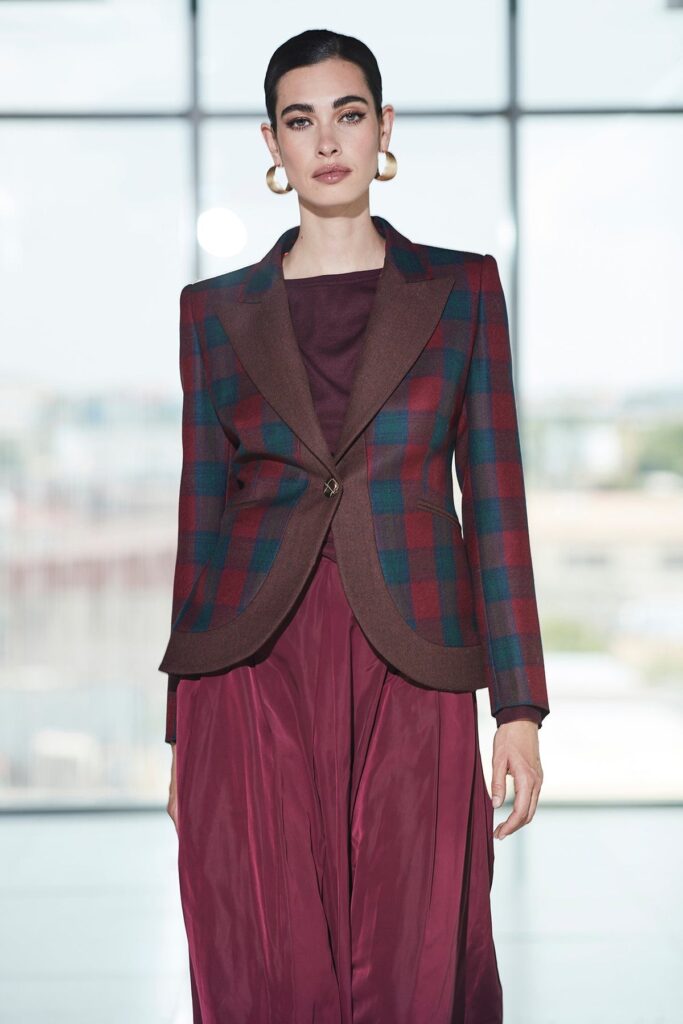
Blazers for an Hourglass Shape
An hourglass silhouette benefits from tailoring that follows natural curves while maintaining structure and ease. Single-breasted cuts with tailored waist shaping and structured shoulders with subtle definition allow the blazer to complement the figure rather than conceal it. Clean, sculpted lines do the most work here. Overly boxy fits flatten what should be celebrated.
Cinched styles or belted blazers enhance natural proportions beautifully, creating a polished silhouette that reads as intentional from every angle.
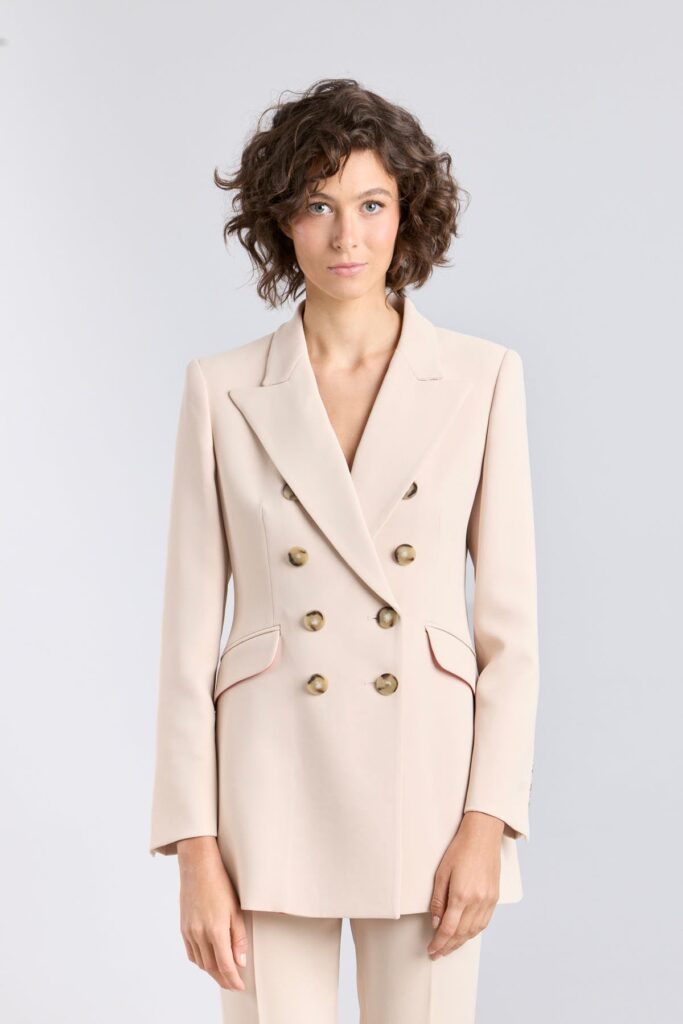
Blazers for a Straight or Athletic Build
Straight silhouettes benefit from design elements that create visual contour. Double-breasted closures, textured fabrics, strong lapel details, and subtle shoulder padding all introduce shape and definition where the body’s natural lines are more linear. Structured elements do not add bulk — they create the impression of dimension, which is precisely what a straight or athletic frame benefits from most.
Pair with soft knitwear underneath to balance structure with movement and prevent the overall look from reading as too formal for everyday wear.
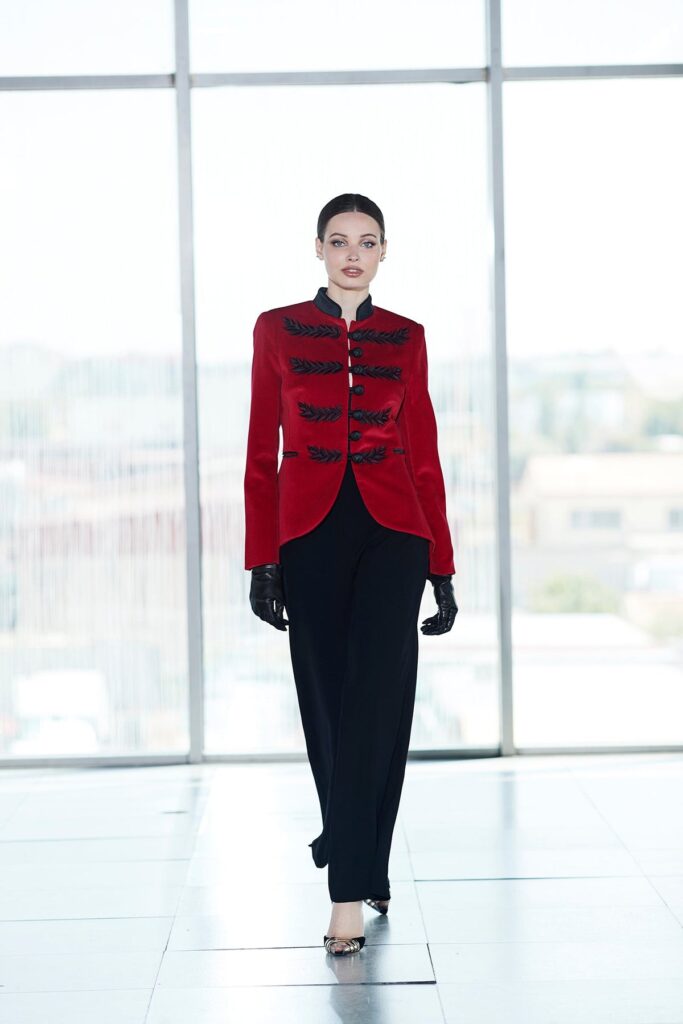
The most flattering length typically ends around the hip bone for balanced proportion. Longline styles can elongate the silhouette when styled intentionally.
Choosing a Blazer for Different Occasions
A blazer’s versatility lies in how it transitions across environments. The same structured silhouette reads differently depending on what surrounds it and where it is worn — which is what makes intentional tailoring such a reliable wardrobe foundation.
For Professional Settings
Opt for structured tailoring in firm fabrics that maintain sharp lines throughout the day. Neutral tones enhance longevity and pairing flexibility, making a single blazer work across multiple configurations within a professional wardrobe. Explore structured styles in the new collection for pieces that move seamlessly from boardroom to evening.
For Elevated Casual Wear
Pair structured blazers with refined knitwear or tailored trousers to create relaxed sophistication without sacrificing polish. The goal is contrast — the blazer’s structure against something softer underneath creates a look that feels considered rather than effortful.
For Evening Styling
Rich textures, statement buttons, and defined silhouettes elevate the blazer beyond daytime structure. An embroidered or embellished blazer worn over a fitted dress replaces the need for outerwear entirely while commanding attention in a way that more conventional evening wear rarely does.
The Details That Elevate a Blazer
Luxury tailoring reveals itself in the details. Precision stitching, quality lining, the weight and drape of the fabric, button craftsmanship, and clean lapel shaping — these elements determine how a blazer moves, feels, and maintains structure over time. A well-constructed blazer should hold its form without stiffness and feel substantial without heaviness.
These are not surface qualities. They are the difference between a blazer that looks right on a hanger and one that looks right on you — season after season, occasion after occasion.
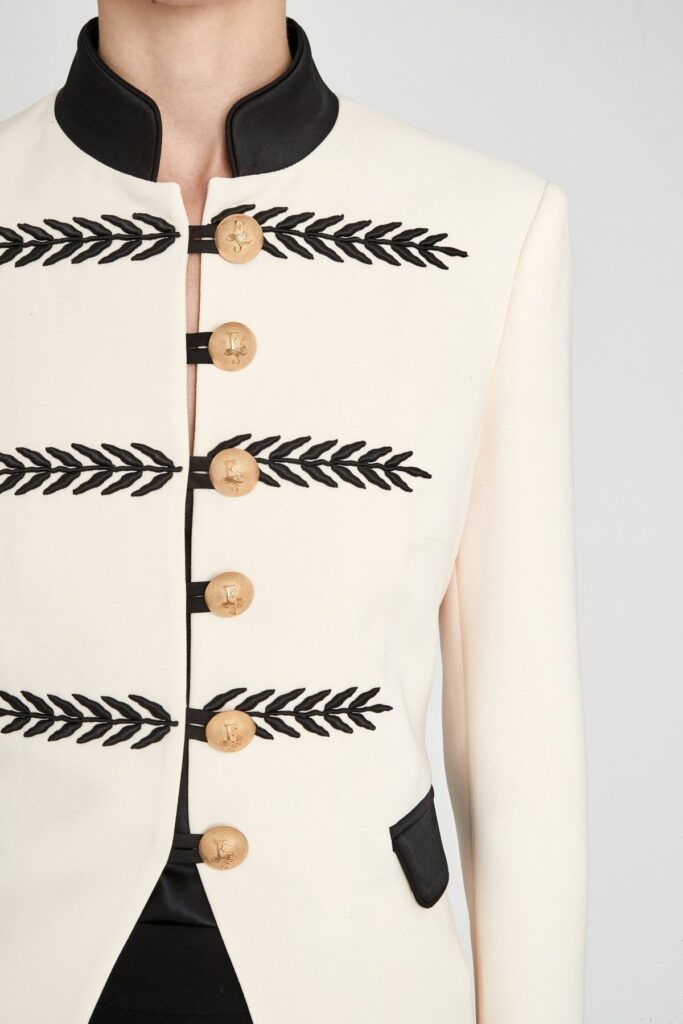
A blazer should follow the natural lines of the body without pulling at the buttons or restricting movement. Structure should feel supportive, not restrictive.
How to Build a Look Around a Blazer
A structured blazer becomes the foundation of a wardrobe rather than an addition to it. Layered over knitwear for transitional seasons, paired with tailored trousers for refined balance, or styled with a dress for evening elegance — the blazer adapts without losing its authority. The key is consistency in structure. When tailoring is intentional, versatility follows naturally.
Yes. Structured blazers pair beautifully with knitwear or refined denim, allowing tailoring to transition effortlessly from professional to relaxed settings.
Refine Your Wardrobe with Structured Tailoring
Choosing the right blazer is about proportion, craftsmanship, and purpose. When structure aligns with silhouette and occasion, tailoring becomes transformative rather than incidental.
Once you have identified the right silhouette for your frame, explore how to wear it — our guide on how to style a military blazer offers practical approaches across professional, casual, and evening settings.
Discover the blazer that defines your silhouette and elevates your wardrobe with intentional structure. Browse the full blazer collection to find the style designed for you.